Tamil Nadu has long been seen as one of India’s strongest centers of social justice politics. From the Self-Respect Movement led by Periyar E. V. Ramasamy to the rise of Dravidian parties and Dalit assertion movements, the state has built a political culture deeply connected with anti-caste discourse, welfare politics, and constitutional equality.
Now, with actor-turned-politician Vijay emerging as the new Chief Minister of Tamil Nadu, an important question is being discussed across political circles, Ambedkarite organizations, student groups, and social media:
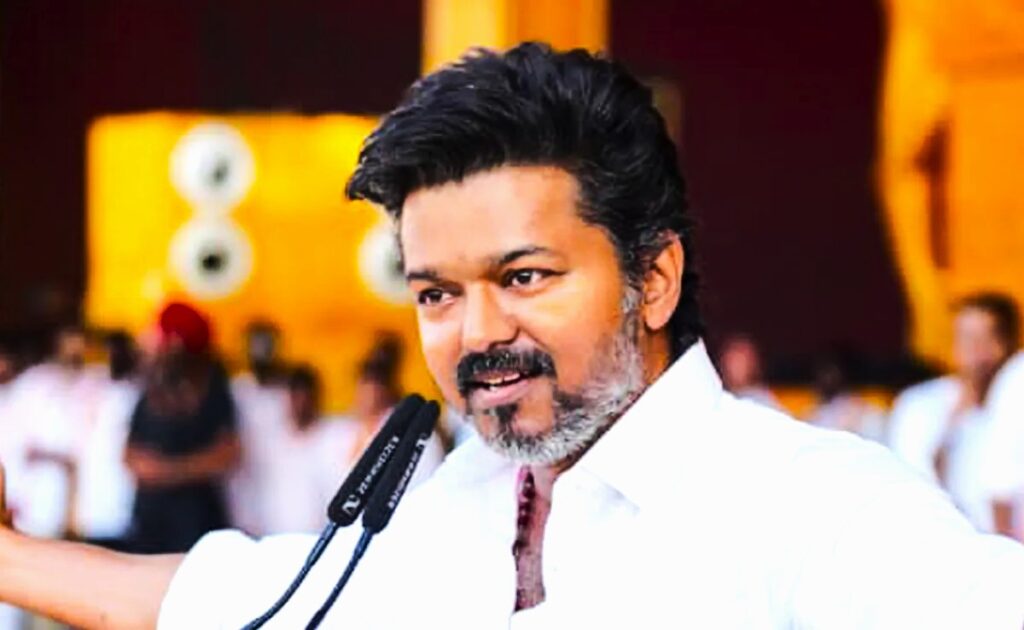
Can Vijay truly represent the ideals of Ambedkarite politics, or is the use of Ambedkar’s image becoming another symbolic exercise in Indian electoral politics?
The answer is not simple.
Vijay’s political rise is not happening in isolation. It comes at a time when social justice politics in India is being redefined, Dalit youth are becoming more politically vocal, and Ambedkar’s ideas are increasingly shaping public debate far beyond traditional political spaces.
For many observers, Vijay’s entry into politics represents more than a celebrity transition. It reflects a possible attempt to occupy the ideological space historically associated with Periyar, Ambedkar, and Dravidian social justice politics.
But Ambedkarite movements have historically judged leaders not by symbolism but by policy, representation, and commitment to the annihilation of caste. The coming years may determine whether Vijay becomes a transformational social justice leader or merely another political figure using Ambedkar’s legacy for mass appeal.
The Deep Roots of Ambedkarite Politics in Tamil Nadu
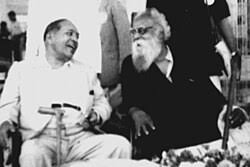
To understand why Vijay’s political positioning matters, one must first understand Tamil Nadu’s political history. Unlike many Indian states where caste issues remained hidden beneath mainstream politics, Tamil Nadu witnessed organized anti-caste mobilization much earlier through the Dravidian movement. Periyar challenged Brahminical dominance, caste hierarchy, patriarchy, and religious orthodoxy through the Self-Respect Movement in the early twentieth century.
Although Periyar and Dr. B. R. Ambedkar had different political approaches and ideological methods, both shared a common opposition to caste oppression and social inequality.
Over time, Tamil Nadu developed a political environment where:
- Social justice became central to electoral politics.
- Reservation policies gained broad acceptance.
- Anti-caste discourse entered public institutions.
- And Welfare politics became deeply Embedded in Governance.
However, despite this progressive image, caste discrimination and violence against Dalits never disappeared. In fact, several Dalit movements emerged precisely because many activists believed mainstream Dravidian parties had failed to completely dismantle caste power structures. This led to the rise of powerful Ambedkarite organizations and Dalit political movements, including the Viduthalai Chiruthaigal Katchi (VCK), led by Thol Thirumavalavan.
The VCK drew inspiration from Ambedkarite thought and Dalit Panther-style activism. It focused strongly on:
- Caste violence,
- Land rights,
- Dignity politics,
- Constitutional rights,
- and Dalit political representation.
This historical context is crucial because any leader attempting to occupy the “social justice” space in Tamil Nadu will inevitably be measured against both Periyarite and Ambedkarite traditions. And now Vijay stands at that intersection.
Vijay’s Political Transformation
For decades, Vijay was known primarily as one of Tamil cinema’s biggest stars. Like several actors before him, he built a massive fan following that extended beyond cinema halls into organized fan clubs and social networks.
Tamil Nadu has a long tradition of film personalities entering politics:
- M. G. Ramachandran (MGR),
- M. Karunanidhi,
- J. Jayalalithaa,
- Vijayakanth,
- and others successfully transformed cinematic popularity into political capital.
But Vijay’s political approach appears different in one important aspect. Rather than relying only on charisma and populism, Vijay has increasingly used the language of the following:
- Constitutional values,
- Secularism,
- Equality,
- Education,
- Youth Empowerment,
- And Social Justice.
His speeches and public appearances suggest an attempt to build ideological legitimacy rather than simply emotional popularity. This became especially visible when Vijay publicly paid tribute to both Periyar and Dr. B. R. Ambedkar after his party’s major political breakthrough. For many observers, this was not just a symbolic gesture.
It was a political message.
By invoking both Periyar and Ambedkar together, Vijay appeared to signal that his political project seeks alignment with Tamil Nadu’s historic social justice tradition. This immediately attracted attention from Ambedkarite intellectuals, Dalit organizations, and political commentators.
Why Ambedkar’s Legacy Matters in Modern Politics
Today, Ambedkar is no longer confined to Dalit politics alone. Across India, Ambedkar’s image has become central to debates around the following:
- Constitutional democracy,
- Minority rights,
- Social justice,
- Education,
- Economic inequality,
- And caste discrimination.
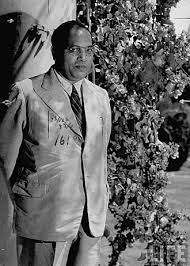
However, Ambedkarite thinkers often argue that merely displaying Ambedkar’s photograph or mentioning his name does not automatically make a political movement Ambedkarite. For Ambedkarite politics, real commitment involves:
- challenging caste structures,
- protecting constitutional morality,
- increasing representation,
- defending reservation policies,
- ensuring access to education,
- and addressing economic inequality.
This is why Vijay’s political journey is being closely examined. Many people are asking: Will his government move beyond symbolism? Or will Ambedkar become only an electoral image?
That debate is now shaping Tamil Nadu’s political future.